

In 2009, someone (or some group) named Satoshi Nakamoto created Bitcoin.
Bitcoin did one revolutionary thing, it let you send money to anyone, anywhere, without needing a bank.
This was huge and for the first time in human history, you could transfer value across the internet as easily as sending an email.
Governments couldn’t stop it and banks couldn’t control it.
This was the start of digital gold.
But Bitcoin had limits. It was designed to do one thing only, be money.
You couldn’t build apps on it. You couldn’t create automatic agreements. You couldn’t program it to do complex tasks.
It was like having a calculator that only adds and subtracts, useful, but very limited.
Enter Vitalik: The Kid Who Wanted More
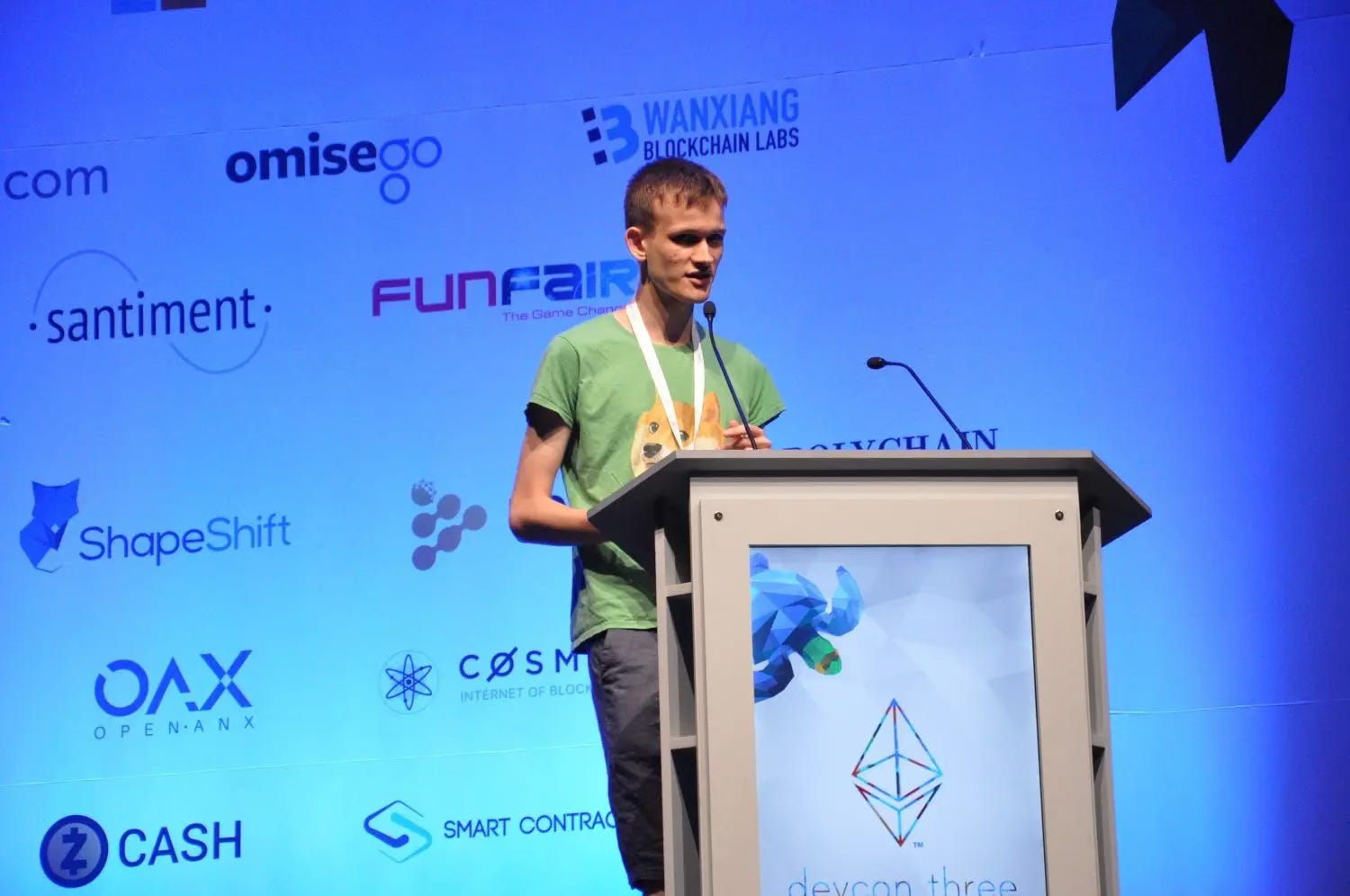
In 2013, a 19-year old Russian Canadian programmer named Vitalik Buterin was deep in the Bitcoin world.
He loved what Bitcoin did, but he kept thinking: what if we could do MORE than just send money? What if we could build an entire computer that nobody owns?
Picture Vitalik: skinny, wearing t-shirts featuring cats and aliens, looking exactly like someone who would say actually a lot at parties. But this kid had a vision.
Think about that for a second. Every computer you’ve ever used has an owner.
Apple owns your iPhone. Microsoft owns Windows. Google owns the servers running YouTube.
Someone is always in control, usually collecting your data and selling it to advertisers.
Vitalik wanted to build a computer that runs on thousands of computers simultaneously, spread across the entire world, where no single person, company, or government could ever shut it down or control it.
People told him it was impossible. He built it anyway.
In 2015, Ethereum launched, and the financial world would never be the same.
Also, Vitalik became a billionaire before he could legally rent a car in the United States.
To understand why Ethereum is different, think of the traditional internet as a global filing cabinet. You can put files in, and take files out.
Ethereum is something else entirely:
A World Computer, a shared calculator where you can run actual unbreakable agreements and no single boss, government, or disgruntled intern can ever turn it off.
Here’s how it works:
Traditional Computer: Runs on one machine. If your cat walks across the keyboard at the wrong moment, everything stops.
Ethereum: Runs on thousands of computers at once. If 100 computers crash, the other thousands keep running. If a government tries to shut it down, good luck finding all the computers. They’re literally everywhere.
It’s the cockroach of computing: impossible to kill.
Part II: How It Actually Works (Robot Lawyers and Parking Meters)
The core invention of Ethereum is the Smart Contract.
You can forget the paper, the human lawyers, and the endless meetings.
A Smart Contract is a Robot Lawyer.
It is a computer program stored permanently on the Ethereum network that automatically executes the terms of an agreement when certain conditions are met.
Imagine a vending machine. If you put in $2.00 (the condition), the machine automatically releases a Snickers bar (the execution).
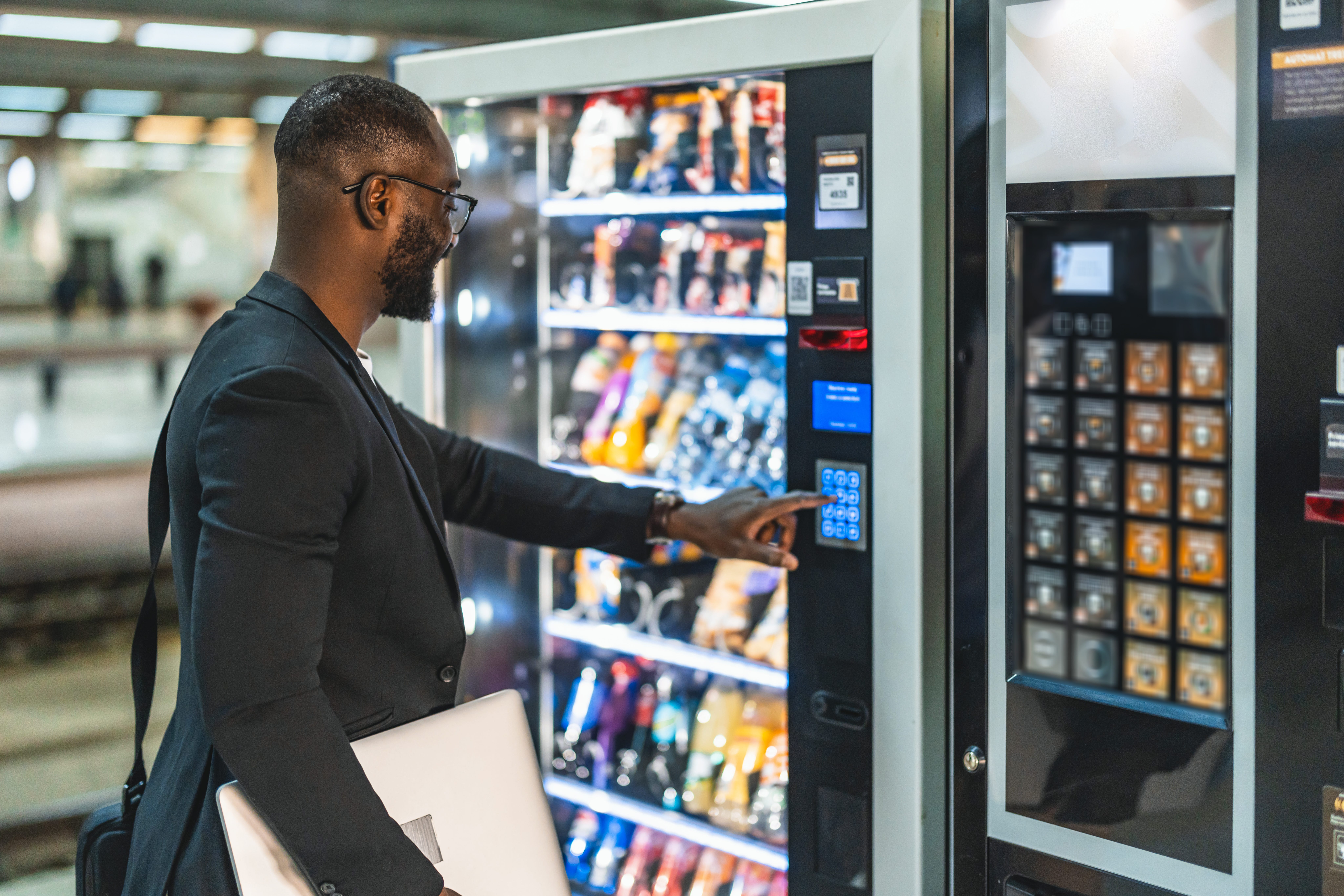
It doesn’t need to call a manager to ask for permission. It just follows the code.
A Smart Contract does the same thing for complex business deals.
You can write a code that says:
“IF the cargo ship arrives at the port in New York (verified by GPS), THEN automatically unlock $1 million from the bank account and pay the shipping company.”
Once this code is turned on, it cannot be tampered with, changed, or reversed. It executes perfectly, forever.
It is trust, outsourced entirely to a machine.
But what stops a bad person from writing a program that says “Hello” five trillion times a second and crashing the whole system?
The answer is Gas. Every single time you want to use the World Computer, you have to pay a tiny fee called Gas.
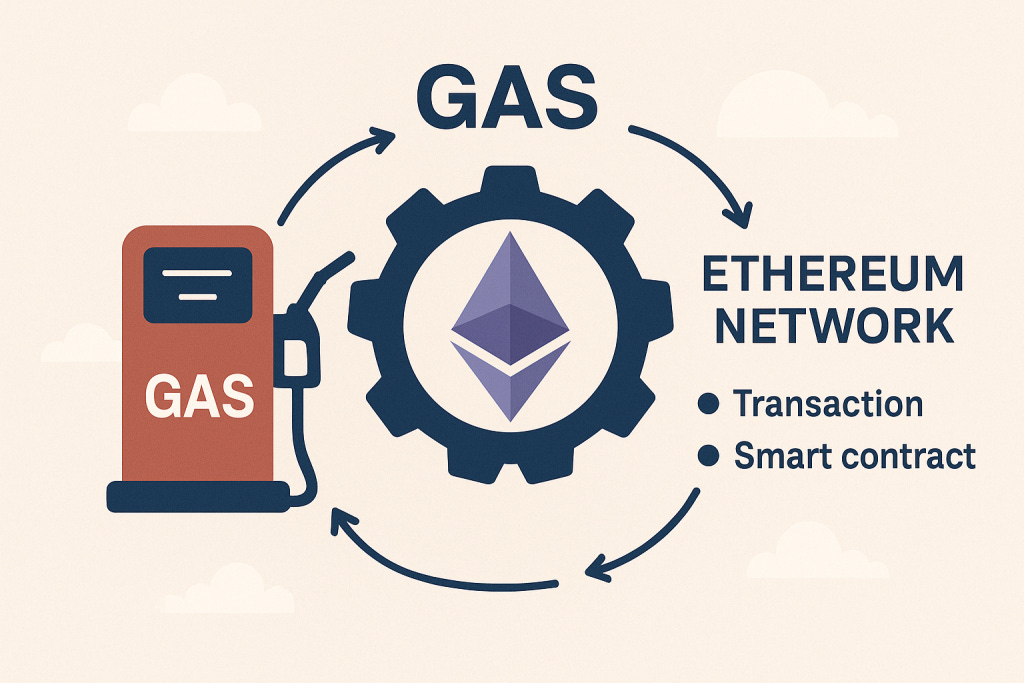
The cost of Gas is like a parking meter for your transaction.
If you want to park your car (run your program), you have to put money in the meter.
If your money runs out, the meter flashes red, and your car gets towed (the program stops).
This makes it too expensive for hackers to spam the network, keeping the computer running smoothly.
Part III: The Money That Destroys Itself (The Scarcity Trick)
For a long time, people said Ethereum was bad for the environment because it used too much electricity.
So in 2022, it did something that sounded impossible: The Merge.
Ethereum swapped the engine of the airplane while it was still flying.
Overnight, it ditched energy hungry mining and cut power usage by 99.95%, going from a gas guzzling Hummer to an electric scooter.
But the real financial sleight of hand is what I call the Digital Incinerator.
Every time you pay a gas fee to use Ethereum, the network doesn’t just pocket the money.
A portion of it is permanently destroyed, deleted forever, never to be used again.
Why would a system burn its own money?
Imagine if every time you bought a coffee, the government took a dollar bill and set it on fire.
Over time, there would be fewer dollar bills in circulation and when supply shrinks, what happens to the value of what’s left?
That’s exactly what Ethereum does. The more the network is used, the more ETH disappears.
As a result, the total supply of Ethereum is actually shrinking, down 2.22% over the past year. It’s money that gets rarer because people use it.
Which raises the obvious question: how do you profit from money that disappears?
Don’t you worry, I have the perfect solution for this.